Xi Jinping Wife Peng Liyuan: Her Career, Public Role, and Family Life
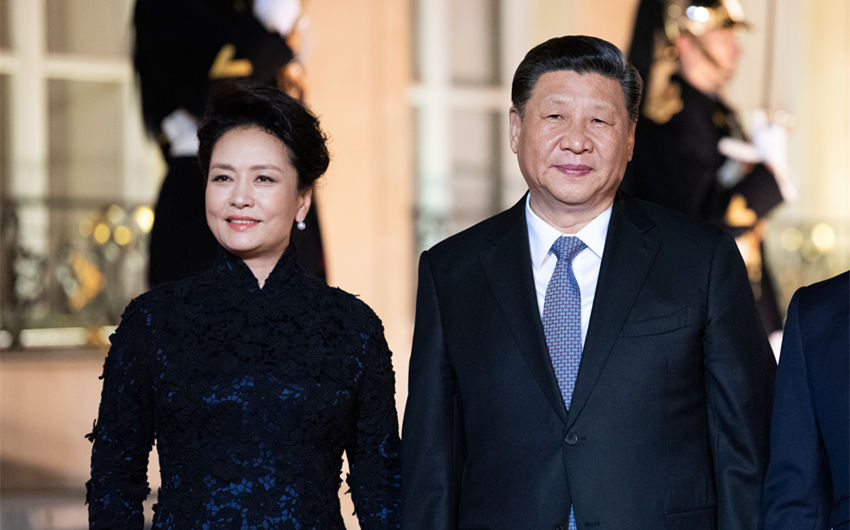
Xi Jinping’s wife is Peng Liyuan, and she’s not just a political spouse who appeared after her husband rose to power. She was already a nationally famous Chinese singer long before Xi became China’s top leader. Today, she’s best known internationally as China’s first lady, but her story includes decades of performance, a prominent public image inside China, and a carefully managed role in cultural and diplomatic settings.
Who is Xi Jinping’s wife?
Xi Jinping’s wife is Peng Liyuan. She has been widely recognized as China’s first lady since Xi became the country’s paramount leader in 2012, and she is frequently described in official coverage as “the wife of Chinese President Xi Jinping.” Her public identity blends two worlds: a long career in music and performance, and a more formal role representing China in select ceremonial and diplomatic moments.
Peng is also the mother of Xi Jinping’s daughter, Xi Mingze, who has largely remained out of the public spotlight compared to the children of many Western leaders.
When did Xi Jinping and Peng Liyuan get married?
Xi Jinping and Peng Liyuan married in 1987. Their marriage is widely reported as a long-term partnership that predates Xi’s national leadership by decades. In contrast to many high-profile political couples elsewhere, they have generally kept their private family life tightly controlled, with public attention focused mostly on state occasions rather than personal storytelling.
Who is Peng Liyuan beyond being “Xi Jinping’s wife”?
Peng Liyuan is a Chinese singer and performing artist who became famous for her folk-style vocal performances and major televised appearances. Long before international audiences saw her walking beside Xi at state events, Chinese audiences already knew her as a major performer—especially through widely watched national broadcasts.
That matters because it changes the “first lady” dynamic. In many countries, the spouse becomes known because of the leader. In Peng’s case, she had her own public status first. When she later stepped into an official spouse role, she brought star power, stage discipline, and comfort in the spotlight—skills that translate naturally into public ceremonial appearances.
Peng Liyuan’s early life and education
Peng Liyuan was born in 1962 in Shandong Province, China. She studied music formally and developed within the Chinese performing arts system, eventually building a career as a soprano singer associated with folk and patriotic repertoire. Her training and rise reflect the traditional path for elite performers in China: competitive arts schooling, national recognition, and performance opportunities tied to major state and cultural events.
One reason she became so well known is that her work reached audiences at scale. When you perform on the most-watched national programs, your fame isn’t niche—it becomes generational.
How Peng Liyuan became famous in China
Peng’s popularity rose in part through repeated appearances on large televised variety programs, including major holiday broadcasts watched by enormous audiences. She became closely associated with the kind of songs that blend artistry with national mood—performances designed to feel uplifting, familiar, and culturally resonant.
In practical terms, she became the kind of household name that doesn’t rely on scandal or constant reinvention. Her image was built on vocal ability, formal presentation, and a polished public persona. That’s a very different foundation than modern influencer fame, and it’s part of why she could later shift into a first-lady role without seeming out of place.
Her role as China’s first lady
Peng Liyuan has been referred to as China’s first lady since Xi Jinping rose to the top leadership in 2012. Unlike some first ladies who take on broad domestic policy portfolios, Peng’s public role has most often been framed through:
Cultural diplomacy: attending performances, hosting or joining cultural events, and appearing in settings where art and national image intersect.
Soft-power public engagement: occasional participation in events involving education, youth exchange, or public welfare themes.
High-profile state visit visibility: appearing alongside Xi during certain international engagements where spouse presence is part of protocol.
For example, official reporting has described Peng accompanying visiting first ladies and attending cultural venues during state visits, a common first-lady-style function that emphasizes national culture and hospitality.
Peng Liyuan and public health advocacy
Peng has also been associated publicly with health advocacy. She has served as a WHO Goodwill Ambassador (often referenced in relation to tuberculosis and HIV/AIDS awareness). That kind of role functions as a public-facing, globally recognizable “service identity,” and it fits a pattern seen with many political spouses: involvement in initiatives that signal compassion and international responsibility.
Whether you view these roles as symbolic or substantive, they are part of how her public image is constructed: not just an artist, not just a spouse, but a figure positioned as representing modern public-minded professionalism.
Why Peng Liyuan’s public image stands out
Peng is often described as unusually visible compared to some earlier leaders’ spouses in modern Chinese politics. Chinese leadership culture historically kept personal life more hidden, but in the Xi era, Peng has sometimes been presented more prominently, especially in carefully selected official settings.
That doesn’t mean her life is “open.” It means visibility is curated. You see her when it serves a purpose—diplomatic warmth, cultural presentation, symbolic unity—rather than through casual, everyday transparency.
In a media environment where messaging is deliberate, Peng’s public appearances tend to feel choreographed in tone: composed, formal, and intentional.
What’s known about their family life
Xi Jinping and Peng Liyuan have one daughter, Xi Mingze. Beyond that, the family’s private life is not heavily documented in an intimate way. This is consistent with how Chinese top leadership typically handles family visibility: minimal direct exposure, limited personal storytelling, and a clear separation between official state identity and household life.
Because of that privacy, you’ll see the internet try to fill in blanks with rumor. The best way to stay accurate is to stick to what is consistently supported: their marriage, Peng’s public career, and the fact that they have a daughter.
How Peng Liyuan influences perceptions of Xi Jinping
Like it or not, political spouses shape public perception. In Peng’s case, her presence can signal:
Stability: a long marriage and controlled family presentation can reinforce an image of order.
Modernity with tradition: her background in performance and culture allows China’s leadership image to lean into cultural sophistication.
Softness alongside power: in statecraft, warmth and approachability are often projected through spouses, ceremonies, and cultural settings rather than through policy speeches.
This doesn’t mean she’s directing policy. It means she is part of the “presentation layer” of modern leadership—an element many governments use to humanize power.