Rider Strong Net Worth: Estimated Wealth and Where His Money Comes From
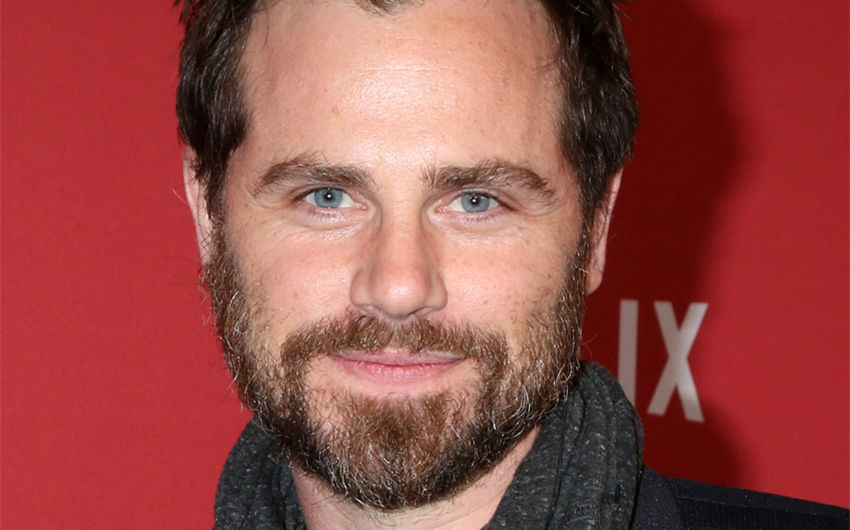
Rider Strong net worth is best described as a solid “working entertainer” fortune rather than a headline-grabbing celebrity number. He’s been earning since childhood, stayed relevant through multiple eras of TV, added directing and writing to his résumé, and built modern income streams through voice work and podcasting. The most widely cited public estimate places his net worth at about $2 million.
Who Is Rider Strong?
Rider Strong (born Rider King Strong) is an American actor, director, producer, and screenwriter best known for playing Shawn Hunter on the long-running ABC sitcom Boy Meets World. He later reprised the role on Girl Meets World, starred in the cult horror film Cabin Fever, and built a steady voice acting career with roles in animated series such as Kim Possible and Star vs. the Forces of Evil.
What makes Strong’s career financially interesting is that he didn’t rely on one famous role forever. He built a portfolio: on-camera acting, voice acting, directing and writing projects, and—more recently—a successful rewatch podcast that keeps him connected to the Boy Meets World audience year-round.
Estimated Net Worth
Estimated net worth: approximately $2 million.
This figure is an estimate, not an official audited total. The reason estimates can wobble online is simple: Strong’s biggest assets, investments, and contract terms are private. Still, the $2 million estimate is one of the most consistently repeated “anchor” numbers from major net worth trackers, and it fits the profile of a long-running working actor who has diversified into multiple revenue streams.
Net Worth Breakdown: How Rider Strong Makes His Money
1) Boy Meets World salary and the long tail of a signature role
Strong’s financial base starts with Boy Meets World. A multi-season network sitcom provides steady pay during the run, and it also creates long-term earning power by making an actor recognizable for life. Strong’s role as Shawn Hunter is the kind of credit that keeps generating opportunities: conventions, interviews, fan events, and ongoing public interest that can be monetized in modern ways.
People often assume older sitcom reruns automatically mean huge passive income forever, but residuals depend on the original contract terms and how the show is distributed. The practical takeaway is that the series gave him stability early and a career identity that still brings value today, even if the exact residual numbers aren’t public.
2) Girl Meets World and nostalgia-era earnings
Strong reprised Shawn Hunter on Girl Meets World, which matters financially because returning to a well-known role often comes with stronger leverage than you had early in your career. Even if the episode count is smaller than the original series, sequel appearances can add meaningful income, refresh your public profile, and drive renewed attention to your current projects.
Nostalgia is a business cycle in entertainment. Being a key face from a beloved franchise means you can keep earning from that legacy without being limited to it—especially if you use the attention to support other work.
3) Film work, including Cabin Fever
Strong’s film credits also contribute to his net worth, with Cabin Fever often cited as his most recognizable movie role. Film income tends to be more straightforward than television: you do the project, you get paid, and any additional earnings depend on the distribution terms and agreements behind the scenes.
Even when a movie isn’t a blockbuster, a cult title can remain valuable over time because it keeps an actor visible and helps them book future roles. In net worth terms, consistent employment and repeated projects often matter more than one giant payday.
4) Voice acting as a steady income stream
One of Strong’s more reliable lanes is voice work. He has roles in animated series such as Kim Possible and Star vs. the Forces of Evil. Voice acting can be financially attractive because it can lead to recurring episode work, offers flexibility, and can continue providing opportunities even when live-action roles slow down.
This is one reason his career remained durable across different eras. Voice acting is a form of diversification that helps entertainers keep earning without relying on one type of casting.
5) Directing, producing, and writing
Strong has also moved behind the camera through directing and writing work, including creative projects where he has taken a hands-on role in shaping the final product. This category matters because it shifts an entertainer from being paid only as a performer to being paid as a creator. Writing and directing can bring separate fees and, in some cases, longer-term benefits if the project continues generating value through distribution.
Independent projects often don’t pay like major studio productions, but over time they can still contribute meaningfully to overall wealth, especially when combined with steady acting work.
6) Podcasting and modern audience monetization
In the 2020s, Strong has a significant new income lane: podcasting. He co-hosts the Boy Meets World rewatch podcast Pod Meets World. Successful podcasts can generate revenue through advertising, sponsorships, and live events. They also work as visibility engines, keeping a performer in the public conversation and raising demand for appearances and other paid opportunities.
Even without public numbers, this is an important part of the “modern” Rider Strong income story: it turns nostalgia into an ongoing business rather than a once-a-year reunion moment.