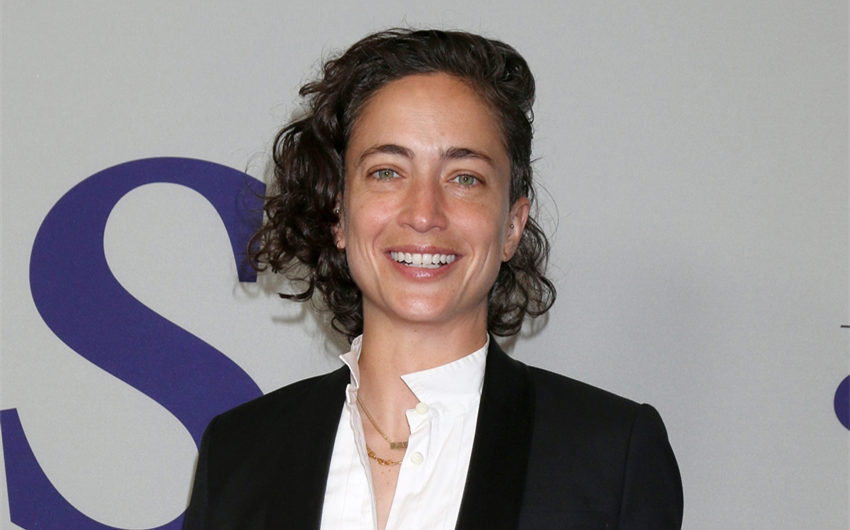
Paola Ramos Wife Question: Not Married, Engaged to De’Ara Balenger Today Explained
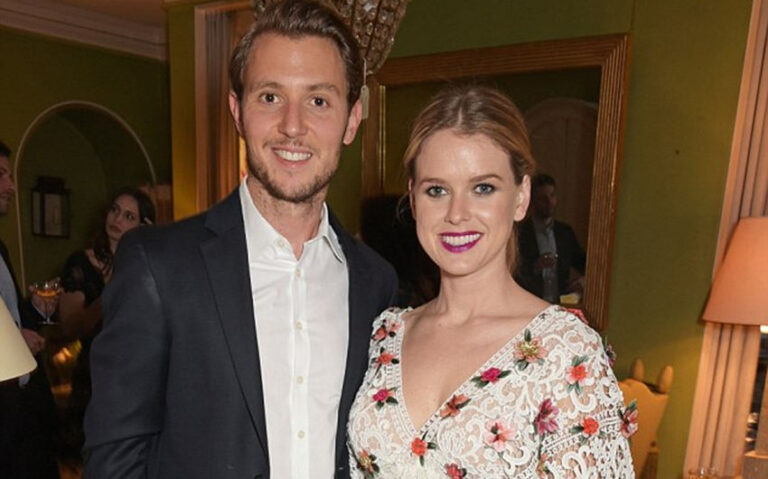
If you’re searching “Paola Ramos wife,” the most accurate answer is that Paola Ramos does not have a confirmed wife because she has not publicly been reported as married. What is widely reported is that she is engaged to De’Ara Balenger. From there, the more interesting story is Paola herself: a journalist and author who has built a career around identity, politics, and the shifting realities of Latino America.
Does Paola Ramos have a wife?
No—Paola Ramos is not widely documented as having a wife, and she is not commonly described as married in reputable biographical coverage. The phrase “wife” shows up mostly because people use it as shorthand for “partner,” especially when they know someone is queer or in a long-term relationship.
The cleaner, more accurate wording is this: Paola Ramos has a fiancée, not a wife. That distinction matters because it keeps the conversation grounded in what’s actually been reported, rather than what people assume.
Who is Paola Ramos engaged to?
Paola Ramos is widely reported to be engaged to De’Ara Balenger. They’ve been described publicly as living together in Brooklyn, and Balenger is often referenced as Paola’s fiancée in profiles and interviews.
Because Paola keeps much of her private life intentionally low-volume, you won’t see her turning the engagement into a constant public campaign. You get small, consistent references rather than big announcements that invite strangers to dissect every detail.
Who is Paola Ramos?
Paola Ramos is an American journalist, author, and political analyst known for reporting on Latino identity, politics, and cultural change in the United States. She has a reputation for going directly into communities rather than talking about them from a distance, which is why her work often feels more like listening than lecturing.
Her public profile also reflects an unusual mix of experiences: she has worked in political environments, reported as a journalist, and moved between the worlds of policy and storytelling. That combination is part of why she stands out. She isn’t only describing political shifts; she understands the machinery behind them.
Her background and the influence of family
Paola’s family background is frequently mentioned in profiles because it helps explain her instincts. She is the daughter of a well-known journalist, and she grew up surrounded by conversations about politics, immigration, and power. That kind of upbringing can shape a person’s “normal.”
For Paola, it seems to have shaped a sense that public life matters—and that storytelling can be a form of accountability. It also helps explain why her reporting often focuses on identity as lived experience, not identity as a slogan.
Education and early career: why she reads like a policy person
Paola has been associated with serious academic training, including studies in political science and public policy. That foundation shows up in her work. Even when she’s telling human stories, she’s often mapping them onto systems: electoral strategy, media influence, disinformation, economic insecurity, and cultural belonging.
Her early professional experience also includes working in political communications. That matters because it gives her an insider understanding of how narratives are built, how communities are targeted, and how campaigns try to “translate” people into voting blocs. Later, as a journalist, she essentially flips that perspective—examining what political language gets wrong about real human complexity.
What Paola Ramos is known for in journalism
Paola became widely recognized through her reporting work in documentary-style formats and political coverage, particularly stories centered on Latino communities in the U.S. and Latin America. Her approach tends to focus on the spaces where identity becomes complicated: border politics, religion, race, masculinity, LGBTQ+ experiences, class pressure, and the push-and-pull between assimilation and heritage.
She’s also known for asking uncomfortable questions without turning them into moral performances. That’s harder than it sounds. Many commentators speak about communities to prove a point. Paola tends to speak with communities to understand why the point is not always as simple as outsiders want it to be.
Her books and why they matter
Paola’s author work is a major part of her public identity because it expands her reporting beyond quick segments and headlines. Her writing explores how Latino identity is not monolithic and how American politics often misreads Latino voters because it tries to flatten them into one story.
In her more recent work, she has focused on the rise of right-wing politics among some Latino communities, examining the reasons people shift—not only the surface-level explanations. This is one of the reasons she’s become a go-to voice in political discussions: she’s willing to explore contradictions instead of pretending they don’t exist.
Why her work resonates right now
Paola’s relevance has grown alongside a bigger reality: American politics is increasingly shaped by identity narratives, and Latino communities are often at the center of election coverage. But election coverage frequently treats Latinos like a fixed category rather than a living, changing ecosystem of cultures, national origins, and class experiences.
Paola pushes against that. She focuses on the fractures and the overlaps—how people can share language but not politics, share heritage but not religion, share neighborhood space but not worldview. That level of nuance is exactly what many audiences are hungry for, especially when every headline tries to turn complex voters into predictable “teams.”