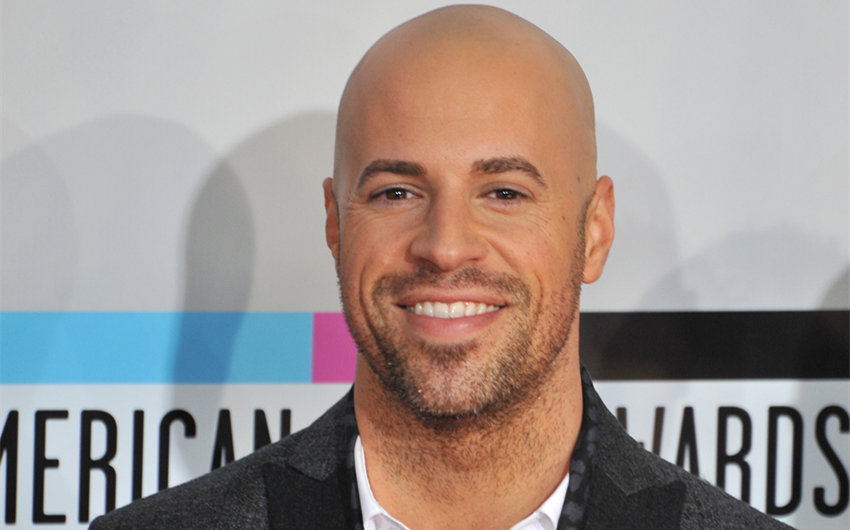
Chris Daughtry Net Worth Estimate and the Main Sources Behind His Wealth
If you’re searching chris daughtry net worth, you’re probably trying to figure out how much money he’s built since his American Idol breakout—and whether that early fame turned into long-term wealth. The most commonly cited estimate places him at about $8 million. That number makes sense when you look at how his career actually earns: not one giant payday, but a steady combination of music catalog income, touring revenue, songwriting, and the kind of visibility that keeps a rock act working year after year.
Who Is Chris Daughtry?
Chris Daughtry is an American rock singer and songwriter best known as the frontman of the band Daughtry. He rose to national fame after finishing fourth on American Idol (Season 5), then used that momentum to launch a mainstream rock career that outlasted the typical reality-show bump. Instead of becoming a short-term TV personality, he turned his exposure into radio hits, multiple albums, and a long touring life—exactly the formula that usually produces real, lasting earnings in music.
He’s also known for a vocal style that fits modern rock radio: powerful, emotional, and built for big choruses. That sound made Daughtry a reliable playlist and radio staple, which matters financially because familiarity keeps songs earning long after their chart peak.
Estimated Chris Daughtry Net Worth (2026)
Estimated net worth: around $8 million.
Net worth estimates are never perfect because music contracts and private assets aren’t public. But an $8 million figure is reasonable for an artist who has released multiple commercially successful albums, toured consistently, and maintained a catalog that still streams. It’s also worth remembering that net worth is not the same thing as income. A musician can generate big annual revenue and still have a lower net worth if expenses are high or if the artist reinvests heavily into touring and production. The number reflects what remains after taxes, costs, and lifestyle spending, plus whatever assets have been built over time.
Net Worth Breakdown: Where Chris Daughtry’s Money Likely Comes From
1) Album Sales and Catalog Streaming (The Long-Tail Engine)
Daughtry’s biggest wealth foundation was built during the era when albums still sold strongly and rock radio could turn a band into a household name. Those early years likely generated substantial revenue through sales, downloads, and the kind of mainstream visibility that boosts everything else in a musician’s business.
Today, the engine looks different. Streaming pays less per listen than physical sales did, but it can be more durable. If your songs are evergreen—meaning they keep showing up on playlists, radio-style streams, and “best of” compilations—you can earn for years without releasing new music. For an artist like Daughtry, whose hits still get replayed, catalog income becomes a steady monthly drip that adds up over time. It’s not flashy, but it’s one of the most reliable ways musicians maintain wealth after their peak chart era.
2) Touring and Live Performances (Where the Big Annual Money Lives)
For most established artists, touring is the biggest income stream, and Chris Daughtry fits that model. Live shows generate revenue from ticket sales and performance guarantees, and they also create strong secondary income through merchandise. If a band can consistently draw crowds—whether headlining theaters or joining strong multi-act bills—touring can produce significant annual earnings.
But touring also comes with a reality check: it’s expensive. You’re paying crew salaries, buses, trucks, flights, hotels, rehearsal time, production gear, sound and lighting, insurance, and venue-related costs. So while tour grosses can look huge on paper, the artist’s final profit is always smaller than the headline revenue. Still, if you tour often and you’re efficient, touring remains the fastest way for a rock act to build and preserve wealth. It’s also a “catalog amplifier”: touring increases streaming and sales because fans revisit the music before and after the show.
3) Songwriting and Publishing (The Money You Own, Not Just Perform)
Publishing is one of the most important wealth drivers in music because it’s tied to ownership. If Daughtry has writing credits on his songs, he earns not only from the recording itself, but from the underlying composition. That can include performance-related royalties and other publishing income streams tied to how and where the music is used.
Publishing is also powerful because it can outlive the artist’s active touring years. A song written and released years ago can still generate publishing income if it’s being streamed, played, or licensed. This is one reason two artists with similar popularity can have very different net worth outcomes: the one who owns more publishing often ends up wealthier in the long run.
4) Licensing and Sync Deals (When Songs Earn Outside Music Platforms)
Rock hits are frequently used in film, TV, sports programming, commercials, and trailers because the sound signals energy and emotion quickly. A sync placement can generate meaningful money, and it can also trigger renewed interest in a song, leading to streaming spikes and new fans discovering the catalog.
Not every artist gets constant sync wins, and details are usually private. But it’s a realistic income lane for a band with recognizable radio-friendly tracks. Over time, even a handful of good placements can add up and become a meaningful contributor to net worth.
5) Merchandise (Often More Profitable Than People Think)
Merch is one of the most underrated parts of an artist’s business. Fans buy shirts, hoodies, hats, and collectibles as souvenirs and identity markers. When touring volume is strong, merch can become a major profit center because it often carries higher margins than streaming revenue. Even a modest merch operation can generate significant income across a long tour schedule.
For a rock band, merch also tends to perform well because the audience is often loyal and willing to buy physical products that show affiliation. Over years of touring, consistent merch revenue can quietly add substantial value to a musician’s overall financial picture.
6) Television and Media Appearances (Visibility That Feeds Everything Else)
Daughtry’s career began with television exposure, and media appearances can still contribute financially in two ways: direct pay and indirect marketing value. Paid appearances and reality competition shows can provide checks, but the bigger effect is that renewed visibility drives streaming, ticket sales, and brand attention.
In the modern entertainment landscape, staying visible matters. An artist who remains culturally present tends to sell more tickets and hold stronger negotiating power for tours and deals. Even when media income isn’t the largest category, it can keep the business healthy.
7) Assets, Savings, and Wealth Preservation
Finally, net worth reflects what Daughtry has retained: savings, investments, and assets like property, minus liabilities. The public doesn’t have a clear view of his private portfolio, which is why any net worth number is still an estimate. But an $8 million figure is consistent with a long-running, commercially successful rock career that includes repeated touring cycles and an earning catalog.