Carole Lombard: Hollywood’s Screwball Queen, Iconic Films, and Lasting Legacy
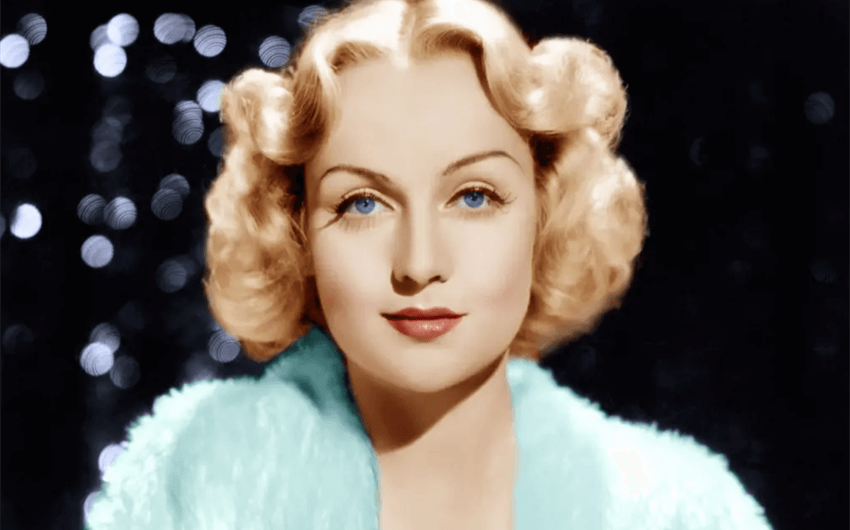
Carole Lombard is remembered as one of Classic Hollywood’s brightest, fastest, and funniest stars—an actress who could glide into a scene with elegance and then flip it upside down with fearless comedy. Her career burned intensely through the 1930s, shaping the screwball era with a style that still feels modern. Behind the glamour was a sharp professional mind, a generous spirit, and a life cut tragically short at just 33.
Early life and the making of a screen personality
Born Jane Alice Peters in Indiana in 1908, Lombard’s path toward stardom began unusually early. As a child, she was noticed for her energy and camera-ready presence, landing early film opportunities before most kids even know what a movie set is. Her family later relocated to California, placing her close to the heartbeat of the film industry at a time when Hollywood was still inventing itself.
Those early years weren’t an instant fairytale. The silent era could be unforgiving, especially for young performers. The work existed, but the roles were often small, the competition constant, and the expectations rigid. Lombard’s early career moved through bit parts and learning experiences—exactly the kind of groundwork that builds a performer’s instincts. Even then, she had a quality that directors valued: she didn’t look like she was “trying” to be charming. She simply was.
What made Lombard stand out wasn’t just beauty. Many actresses were beautiful. It was the combination of beauty with speed—quick timing, expressive reactions, and an ability to pivot from sincerity to chaos without losing the audience. That blend would become her signature.
From silent films to talkies: adapting at the perfect moment
The transition from silent films to sound ended a lot of careers and launched others. Lombard was one of the performers who adapted, and that matters. In the early sound era, some silent stars struggled with dialogue delivery, voice quality, or the new rhythm of speaking on screen. Lombard, however, leaned into the change.
Sound didn’t just give her lines—it gave her a weapon: comedic timing through dialogue. She could throw a line like a dart, react like a live-wire, and still maintain the poise of a leading lady. That combination made her perfect for screwball comedy, a genre built on fast talk, misunderstandings, clashing egos, and romantic chaos.
The screwball era and why Lombard owned it
Screwball comedy was not soft comedy. It was high-stakes comedy. Characters moved fast, spoke faster, and behaved as if social rules were optional. The best screwball performances are athletic. They require a performer to be glamorous and ridiculous at the same time—without dropping either ball.
Lombard’s gift was that she made the ridiculous look effortless. She didn’t play “cute.” She played committed. If her character had to be stubborn, she was stubborn. If she had to be outrageous, she went all the way. And because she was so fully in it, the audience followed her anywhere.
In many of her most beloved roles, Lombard embodied a kind of controlled chaos: a woman who looks polished until she speaks, moves, or decides to take over the room. That contrast is the engine of screwball comedy, and she was one of the best to ever do it.
Signature films that define her career
Lombard made dozens of films, but a few titles consistently rise as her defining work—movies that show her range from romantic comedy to satire to wartime-era humor.
Twentieth Century
This film is often cited as a foundational screwball comedy, and Lombard’s performance is a masterclass in intensity and wit. It’s the kind of role where lesser actors can get swallowed by the pace. Lombard thrives in it. She matches the feverish energy beat for beat, giving the audience a character who feels both exaggerated and strangely real.
My Man Godfrey
This is one of her most famous films for a reason. It’s sharp, socially observant, and deeply funny, and Lombard brings a rich mix of privilege, stubbornness, vulnerability, and charm. She makes a “spoiled rich girl” character not only tolerable but magnetic—because she plays her as a human being, not a cartoon. The comedy lands, but so does the emotional undercurrent.
Nothing Sacred
Here Lombard steps into satire with confidence, balancing humor with an awareness of how the story skewers media spectacle and public gullibility. She doesn’t merely “perform” the jokes—she builds a character who becomes part of the film’s critique. That’s a subtle skill, and Lombard had it.
To Be or Not to Be
This film is often discussed for its bold mix of comedy and wartime subject matter. Lombard’s performance is layered—stylish, funny, and controlled, yet lively. It also carries a particular poignancy because it was released after her death, making it feel like both a showcase and a farewell.
What made her acting style feel ahead of its time
Many Classic Hollywood stars are admired today, but Lombard often feels unusually contemporary. Part of it is her facial expressiveness—she could communicate impatience, amusement, irritation, and affection in rapid succession. But the bigger reason is her looseness.
Some stars of her era were presented as untouchable, almost statue-like. Lombard was glamorous, yes, but she wasn’t stiff. She could be silly. She could be messy. She could let a moment breathe in an imperfect way that made it funnier. That sense of freedom is what modern audiences recognize instantly.
She also had a rare ability to keep romantic chemistry alive while being hilarious. In many comedies, romance becomes an afterthought. With Lombard, the romance often worked because she made her characters emotionally legible beneath the comedy. You could laugh at her, but you could also understand her.
Carole Lombard and Clark Gable: a romance that became Hollywood mythology
Lombard’s marriage to Clark Gable became one of the most enduring stories of Old Hollywood—partly because both were huge stars, and partly because their relationship was framed as surprisingly genuine. The legend persists because it contains contrasts people love: Gable’s iconic “leading man” image paired with Lombard’s lively, irreverent spark.
They married in 1939, and public interest followed them everywhere. Yet what made the relationship compelling wasn’t just celebrity. It was the sense that Lombard was deeply herself—funny, bold, unpretentious—and that this authenticity mattered to someone like Gable, whose public image was constantly managed and projected.
Even without leaning on gossip, it’s clear their partnership became symbolic: two superstars choosing a life that, at least in public perception, looked warmer and more human than the typical Hollywood façade.
Her reputation off-screen: professionalism, humor, and generosity
Behind the camera, Lombard was widely known as smart and strong-willed in ways that benefited her career. In a studio system that often treated actresses as interchangeable, she maintained a distinct identity and made choices that reinforced it. She understood that comedy wasn’t “lesser” than drama. It was a craft—and a powerful one.
She was also known for humor off-screen, not just on it. That matters because it suggests her comedic persona wasn’t purely manufactured. There was something naturally playful in her energy that translated to film without feeling fake.
She also gained a reputation for generosity, particularly during the World War II era, when public figures were expected to contribute to morale-building efforts. That context becomes especially important when considering how her life ended.
The tragic end: a wartime mission and a sudden loss
In early 1942, Lombard died in a plane crash after returning from a wartime bond tour. She was only 33. The shock of her death rippled through Hollywood and beyond, not only because she was famous, but because she was still in her prime—still evolving, still capable of surprising the industry with what she could do next.
Her death also turned her into something more than a star: a symbol of a life interrupted. When someone dies at the height of their talent, their legacy becomes both a celebration and a question. What roles would she have chosen? How would she have aged on screen? Would she have moved into drama, producing, or another phase of reinvention?
Those unanswered questions are part of why she remains so fascinating.
How her legacy continues to shape comedy and stardom
Lombard’s influence can be felt in the DNA of modern romantic comedy and fast-paced comedic performance. The “funny but glamorous” archetype didn’t start with her, but she perfected it in a way that raised the standard. She proved a woman could be the comedic engine of a film without sacrificing desirability or power. She could be ridiculous and still be the center of attention for all the right reasons.
She also helped define a version of stardom that wasn’t only about being admired—it was about being enjoyed. Many stars are “revered.” Lombard was adored. The difference is subtle but important. Reverence is distant. Adoration is intimate. It’s the feeling that you’d want to be in the room with her because she’d make it brighter.
Her films still play well today because they’re not dependent on one era’s taste. They’re built on human behavior: vanity, pride, affection, jealousy, confusion, and the hilariously stubborn ways people misunderstand each other. Lombard’s performances make those themes sing.
Why people still discover her now
Classic Hollywood can sometimes feel like a museum—beautiful but remote. Lombard doesn’t feel remote. She feels alive. That’s why new viewers keep discovering her through classic film channels, restored prints, and modern recommendations. They’re often shocked at how funny she is and how contemporary her energy feels.
She also fits a modern appreciation for actresses who control tone. Lombard could shift a scene from flirtation to fury to laughter in seconds, and those shifts feel like real personality rather than scripted tricks. It’s an acting style that invites viewers in, even across generations.
Carole Lombard’s place in Classic Hollywood history
Lombard holds a rare position in film history: a star whose career was long enough to leave a deep body of work, but short enough to preserve an almost mythic intensity. She represents the height of screwball comedy, the glamour of the studio era, and the kind of natural charisma that can’t be manufactured through publicity alone.
Her legacy isn’t only that she was beautiful or famous. It’s that she was excellent—technically skilled, emotionally smart, fearless in comedy, and memorable in every frame. Even now, decades later, she still feels like the standard for what “movie star funny” can look like.
image source: https://nypost.com/2014/01/19/why-did-carole-lombard-die/