Ani DiFranco Husband Mike Napolitano: Marriage, Kids, and Her Life Beyond the Headlines
If you’re searching for Ani DiFranco’s husband, the answer is straightforward: she married producer Mike Napolitano. But her personal life has never been the center of her story for long, because DiFranco has spent three decades doing something far louder than celebrity romance—building an independent career that rewired how artists can survive on their own terms.
Who is Ani DiFranco’s husband?
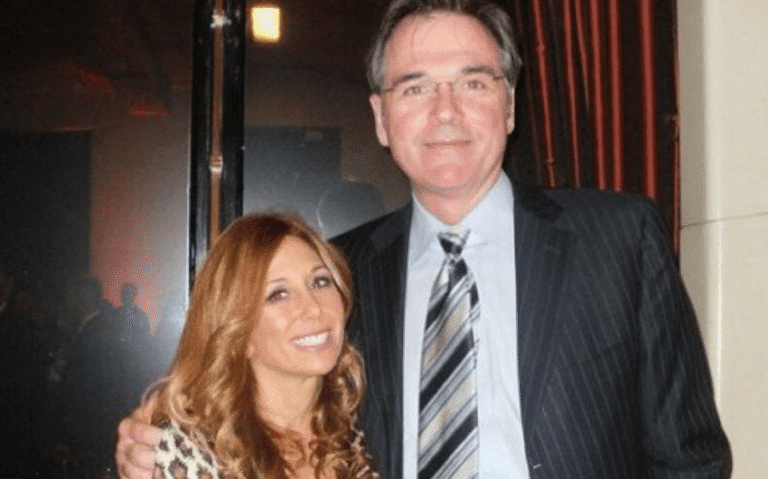
Ani DiFranco’s husband is Mike Napolitano, a producer who has worked closely with her music. They share a family and have been linked publicly for years, both through biographical coverage and through the way DiFranco has spoken about motherhood and home life in interviews. While she’s never treated her marriage like a marketing campaign, the relationship itself is not a mystery: Napolitano is the spouse most people mean when they ask about “Ani DiFranco husband.”
It’s also worth noting how the relationship fits her overall vibe. DiFranco’s career has always been about building infrastructure—her label, her touring ecosystem, her creative community. A partner who works in production isn’t a random footnote; it makes sense for someone who has lived her life inside the mechanics of making art.
Was Ani DiFranco married before?
Yes. Ani DiFranco was previously married to Andrew Gilchrist, her sound engineer at the time. That marriage is commonly documented as beginning in 1998 and ending in divorce in 2003. If you’re trying to piece together a timeline, this is the simple version: one earlier marriage (Gilchrist), followed later by her marriage to Mike Napolitano.
DiFranco doesn’t usually revisit that earlier chapter publicly in a detailed way, and she doesn’t need to. Her work has always been the place where she processes life—love, disappointment, identity, responsibility—without turning it into tabloid theater.
Does Ani DiFranco have children?
Yes. Ani DiFranco is a mother of two. Public biographical timelines and interviews describe her first child as a daughter born in 2007 and her second child as a son born in 2013. If you’ve followed her music across eras, you can often hear the shift that motherhood brought: less of the youthful sprint, more of the long-distance runner energy—still political, still sharp, but more reflective about time, choices, and what really matters when the show is over and the lights go down.
What DiFranco tends to share about parenting is not “look at my perfect life.” It’s more honest than that. Parenting becomes part of the larger conversation she’s always been having—about labor, care, women’s bodies, the cultural weight placed on mothers, and the emotional math of balancing work with the people you love.
Who is Ani DiFranco?
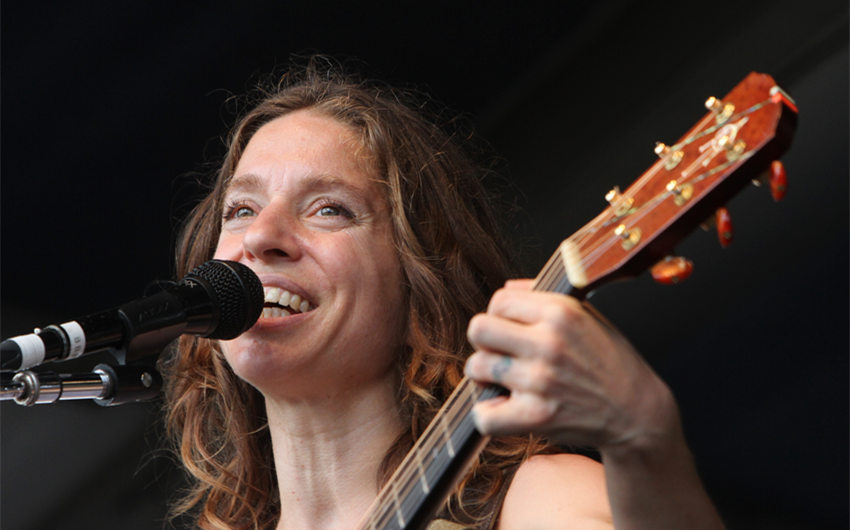
Ani DiFranco is a singer-songwriter, poet, and activist who became a blueprint for modern independent music. Long before “indie” became an aesthetic, she made it a business model. She founded Righteous Babe Records as a teenager and built a career by touring relentlessly, owning her masters, and releasing music without asking permission.
Her voice—both literally and artistically—has always been recognizable: percussive guitar, rapid-fire phrasing, and lyrics that feel like they were written in the heat of real life. DiFranco doesn’t write as if she’s trying to be admired. She writes as if she’s trying to tell the truth before the truth slips away.
She’s also the kind of artist who refuses to be pinned down to one “phase.” She’s put out albums that lean punk, folk, jazz, spoken word, and orchestral textures. The through-line isn’t genre. It’s the point of view: intimate, political, funny, furious, vulnerable, and stubbornly human.
Why her relationships get searched, even when she doesn’t spotlight them
DiFranco has a special kind of fanbase—people who don’t just like a song, but feel like the songs narrated their coming-of-age. When an artist writes that personally, listeners naturally become curious about the real-life chapters behind the writing. Add a long career, a strong feminist identity, and a history of being open about complicated feelings, and you end up with a lot of searches that sound simple but come from something deeper.
Still, it helps to keep perspective. Knowing who she married doesn’t explain who she is. At most, it gives you one small window into her life structure. The real story is how she’s moved through decades of fame without letting fame hollow her out.
Mike Napolitano and Ani DiFranco: why their partnership fits her world
From the outside, it’s easy to label Napolitano as “the husband” and move on. But if you think about how DiFranco has lived—always producing work, always shaping the environment around the work—it makes sense that her closest partnership would be with someone who understands the studio and the process.
DiFranco’s career is not the typical major-label arc where everything is provided and the artist just shows up to sing. Her career is built on decisions: how to record, who to hire, where to tour, what to own, what to refuse. A relationship inside that life requires someone who can handle the rhythm of making things—deadlines, touring cycles, creative intensity—without treating it like a novelty.
That doesn’t mean their marriage is a “business arrangement.” It means the partnership likely functions inside a real-world creative ecosystem: work and life braided together, not separated into neat boxes.
How marriage and motherhood changed the tone of her work
DiFranco never stopped being political, but her perspective matured in ways that are hard to fake. There’s a difference between anger that’s discovering itself and anger that has survived. There’s a difference between calling out injustice and trying to imagine what justice would actually require from you personally—time, energy, patience, consistency.
Motherhood often forces that kind of shift. You start thinking about the future in practical terms: what kind of world your child will inherit, what systems you’re feeding with your money and attention, what compromises you make just to keep things moving. For an artist like DiFranco, those questions don’t stay private. They become lyrics, essays, speeches, and the emotional temperature of an album.
It also changes how you measure success. Earlier in life, success can mean volume—more shows, more songs, more movement. Later, success can mean alignment—doing work that matters, while still being present for the people who matter. DiFranco has spoken publicly in different eras about family and home life in a way that suggests she understands that trade-off intimately.
Her career legacy is bigger than any “husband” headline
If you want to understand why Ani DiFranco still matters, zoom out. She proved that an artist could:
Own the work instead of renting it from a label.
Tour as a business model, not just a promotional tool.
Build a loyal audience through honesty rather than radio polish.
Be political without turning into a slogan.
Keep evolving without apologizing for it.
She also normalized something that’s easy to take for granted now: that an artist can have a long career without chasing mainstream approval. For a generation of musicians—especially women—she made independence feel possible. Not easy. Possible.
Why people call her a feminist icon (and why that label is too small)
Yes, DiFranco is often described as a feminist icon, and the label fits in many ways: her lyrics, her activism, her refusal to play nice for comfort. But she’s also bigger than that label because she’s not a clean symbol. She’s a full person. She’s said things that sparked backlash, owned mistakes publicly, and kept pushing forward without pretending she’s perfect.
That complexity is part of what makes her compelling. She isn’t a poster. She’s an artist who has lived through multiple cultural eras, changed her mind in public, and still kept making work that tries to tell the truth.