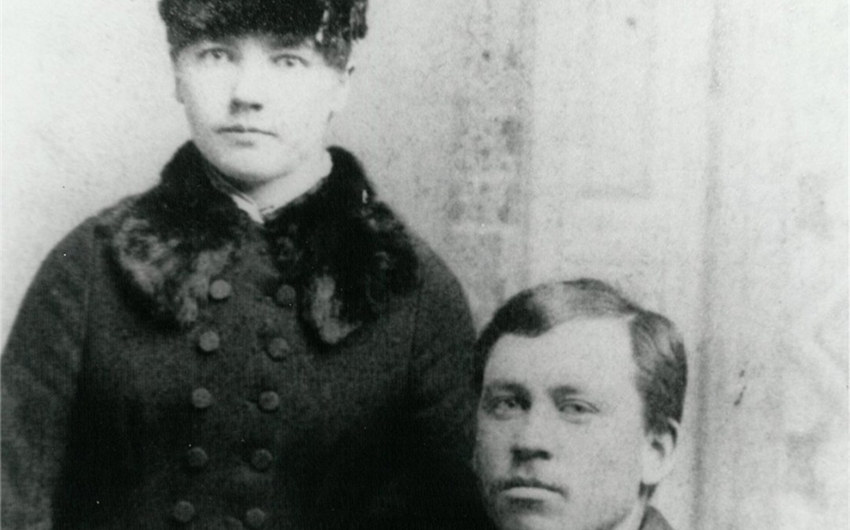
Laura Ingalls Wilder’s Husband: Almanzo Wilder and Laura Ingalls Wilder’s Life
If you typed “laura ingle husband”, you’re almost certainly asking about Laura Ingalls Wilder’s husband—and you’re not the first person to land there with a slightly misspelled search. The man you’re looking for is Almanzo James Wilder, the steady, hardworking farmer Laura later portrayed as “Manly” in the Little House books. Their relationship wasn’t a tidy fairy tale; it was a frontier partnership built through blizzards, illness, financial stress, and stubborn hope.
Who Was Laura Ingalls Wilder?
You probably know Laura Ingalls Wilder as the author whose Little House books made pioneer life feel personal—warm in the best moments, brutal in the worst, and always shaped by family. She drew from her childhood experiences moving across the American Midwest, turning memories of cabins, towns, prairie storms, and hard winters into stories that still pull readers in today.
What keeps you curious, even decades later, is that her books feel intimate. They read like someone telling you what it really cost to build a life from scratch—so it’s natural to wonder who stood beside her once she grew up and started building a household of her own.
Who Was Laura Ingalls Wilder’s Husband?
Laura Ingalls Wilder’s husband was Almanzo James Wilder, a farmer and homesteader best known to readers as the real person behind Laura’s “Manly.” He wasn’t a celebrity, a writer, or a showman. He was the kind of man frontier life demanded: practical, persistent, and willing to work until the job was done.
Almanzo’s early life prepared him for that role. He grew up in a large family and learned the routines of farming long before he met Laura. In a world where weather could erase a year’s income overnight, that kind of grounded experience mattered.
How Laura Ingalls Met Almanzo Wilder
Laura met Almanzo in De Smet, Dakota Territory, where the Ingalls family settled during her teenage years. If you’ve read the later books, you already know the setting: a growing prairie town with harsh winters and big dreams.
Their courtship didn’t unfold like a modern romance. It happened through community life—church gatherings, social events, shared rides, and the slow, watchful rhythm of a small town where everybody noticed everything. Almanzo’s interest in Laura became clear as he found reasons to spend time with her, and Laura—spirited and independent—didn’t melt instantly. She evaluated. She hesitated. She grew into it.
That slow build is part of what makes their relationship feel believable. It wasn’t love at first sight. It was familiarity, trust, and choice.
Laura Ingalls and Almanzo Wilder’s Marriage
Laura and Almanzo married in 1885, beginning a new chapter that looked less like youthful adventure and more like adult responsibility. When you imagine a pioneer wedding, it’s easy to picture something romantic and simple—and it was simple compared to today’s standards—but it was also practical. Marriage meant starting a household with very few safety nets.
Early married life brought hope and hardship almost immediately. Like many homesteaders, they chased stability through farming, land, and sheer effort. But the frontier didn’t reward effort consistently. A good season could still end in loss if the wrong storm arrived at the wrong time.
Life on the Prairie as a Married Couple
If you want the real story behind “Laura Ingalls Wilder’s husband,” look at what the two of them endured together—because that’s where Almanzo stops being just a name and becomes a partner.
They faced a series of difficult years that tested nearly every part of their life:
-
Illness: Almanzo suffered serious health issues that affected his strength and ability to work the land the way he once could. On the frontier, that wasn’t just a personal struggle—it threatened the entire household’s survival.
-
Financial strain: Farming and homesteading often meant long stretches of uncertainty. You could work hard and still lose money due to drought, hail, or shifting markets.
-
Physical isolation: Frontier communities could be supportive, but daily life still demanded self-reliance. When something broke, you fixed it. When supplies ran low, you made do.
This is where you see the heart of their marriage: not dramatic speeches, but persistence. Almanzo and Laura kept trying to build something that would last. And even when plans failed, they adjusted rather than quitting.
Family Life and Children
Laura and Almanzo had children, and their family story includes both joy and deep loss—something many pioneer families experienced but rarely had the words (or time) to process.
Their surviving child, Rose Wilder Lane, grew up to become a writer and a major force in Laura’s later publishing life. Rose’s influence is part of the larger Little House conversation, because she helped shape how Laura’s memories became books.
But the Wilders also experienced tragedy. They lost a baby son in infancy, a heartbreak that doesn’t always get as much attention as the famous novels but matters if you’re trying to understand their emotional world. Loss like that changes a marriage. It changes how you imagine the future.
If you’ve ever wondered why Laura’s later writing carries a certain toughness—warmth, yes, but also a quiet steel—this is part of why.
Almanzo Wilder’s Influence on Laura’s Writing
Who was the man behind “Manly,” and how much did he shape the story?
A lot.
Almanzo’s presence in the books isn’t just romantic. He represents stability and partnership—someone who sees Laura clearly and still chooses her. Their courtship, their marriage, and their shared work became raw material for Laura’s storytelling.
At the same time, it helps to remember that the Little House books are not strict diaries. Laura shaped events into scenes, simplified timelines, and emphasized certain themes. That doesn’t make the books dishonest—it makes them literature. You’re seeing real life filtered through memory, craft, and the needs of a story.
Still, Almanzo’s role remains central: he’s the person Laura builds a future with, even when the present keeps trying to knock them down.
Later Years and Life Beyond the Prairie
Eventually, Laura and Almanzo left the Dakota Territory and settled in Missouri, where they built a more stable life on a farm later known as Rocky Ridge Farm. This move matters because it shows a shift from constant survival mode to something closer to rooted living.
In Missouri, Laura began writing in earnest, and the Little House series eventually took off. Almanzo’s role during this stage often looks quieter from the outside, but it’s not hard to imagine what it meant: supporting a household where your wife is turning lived hardship into published work, and your family legacy is becoming public.
Their later years weren’t flashy, but they were significant. They had carved out a place that felt like home—and after everything they’d been through, that achievement speaks for itself.
Featured Image Source: facebook.com