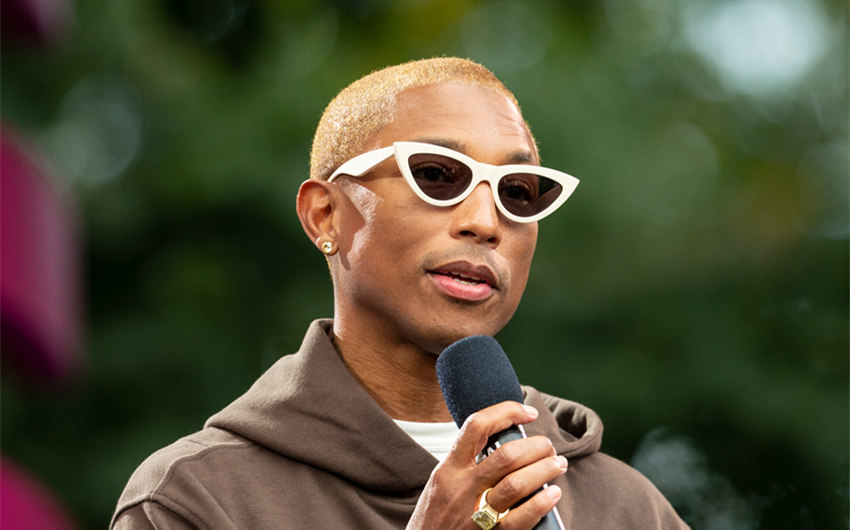
Pharrell Williams: Music Visionary, Producer, and Global Cultural Influencer
Pharrell Williams is one of those rare creatives whose influence stretches far beyond a single industry. If you’ve ever danced to a chart-topping hit, admired a bold fashion moment, or noticed how music and style increasingly blur together, chances are Pharrell Williams played a role in shaping that moment. His career isn’t just about success—it’s about evolution, curiosity, and the ability to stay relevant while constantly changing the rules.
Who Is Pharrell Williams?
Pharrell Lanscilo Williams was born on April 5, 1973, in Virginia Beach, Virginia. Growing up in a coastal city with a diverse musical scene, he was exposed early to different sounds and cultures. That mix would later become one of his defining strengths.
Unlike many artists who focus on mastering one lane, Pharrell developed multiple skills at once. He learned to play instruments, explored songwriting, and paid close attention to how music was constructed—not just how it sounded. From the beginning, he wasn’t thinking like a performer alone; he was thinking like a creator.
Pharrell Williams’ Rise in the Music Industry
Pharrell’s rise didn’t happen overnight, and it didn’t happen alone. While still young, he formed a creative partnership with Chad Hugo, a fellow Virginia Beach native. Together, they would eventually become known as The Neptunes, one of the most influential production duos in modern music.
Early on, Pharrell worked behind the scenes, learning the business and refining his sound. This period was crucial. It allowed him to experiment without the pressure of fame and gave him the confidence to trust unconventional ideas—something that later defined his signature style.
The Neptunes and Their Impact on Modern Music
The Neptunes changed how pop and hip-hop records were made. Their production style stood out immediately: minimal yet punchy beats, unexpected rhythms, and a sense of space that made songs feel fresh and futuristic.
What truly set Pharrell apart during this era was versatility. The Neptunes could craft hits for hip-hop artists, R&B singers, and pop stars without losing their identity. Their sound dominated the late 1990s and early 2000s, shaping an era that still influences producers today.
More importantly, Pharrell proved that a producer could be just as culturally influential as the artists they worked with.
Pharrell Williams as a Solo Artist
While many producers stay behind the curtain, Pharrell stepped confidently into the spotlight. His solo work showcased a playful, experimental side that didn’t always follow traditional genre rules.
Albums like In My Mind and G I R L revealed an artist unafraid to take risks. The global success of “Happy” cemented his place in pop culture, but it also highlighted something deeper: Pharrell’s ability to create music that connects emotionally across age groups, cultures, and moods.
Rather than letting that success define him, he treated it as one chapter in a much larger story.
Pharrell Williams as a Producer and Hitmaker
Even as a solo artist, Pharrell never stopped thinking like a producer. His understanding of structure, rhythm, and emotional pacing allowed him to help other artists bring out their best work.
What makes him unique is his restraint. Pharrell doesn’t overcrowd songs. He knows when to let silence speak and when to let a groove breathe. That instinct has earned him industry respect and numerous awards over the years, reinforcing his reputation as both a creative and technical powerhouse.
Pharrell Williams’ Influence on Fashion and Style
Pharrell’s influence on fashion began long before luxury brands embraced streetwear. His personal style—bold hats, tailored silhouettes, and unexpected combinations—challenged traditional ideas of masculinity and celebrity fashion.
Over time, that influence grew into full-fledged leadership roles. Pharrell didn’t just wear clothes well; he understood fashion as storytelling. That mindset eventually led to his appointment as Men’s Creative Director at Louis Vuitton, one of the most significant fashion houses in the world.
In that role, Pharrell treats fashion shows like cultural moments, blending music, architecture, celebrity, and narrative into immersive experiences.
Pharrell Williams’ Business Ventures
Pharrell’s business success is closely tied to his creative philosophy. He approaches entrepreneurship as an extension of artistic expression rather than a separate pursuit.
From fashion collaborations to jewelry collections and creative partnerships, he chooses projects that align with his values and aesthetic. This selective approach has helped him avoid the trap of overexposure while maintaining relevance across industries.
His ventures succeed not because his name is attached, but because his vision feels authentic and forward-thinking.
Personal Life and Public Image
Despite his global fame, Pharrell maintains a relatively private personal life. He is married to Helen Lasichanh, and together they have children, including a son named Rocket and triplets.
Pharrell rarely puts his family in the spotlight, and that decision appears intentional. While his public persona is colorful and expressive, his private life remains grounded and protected. This balance allows him to stay creatively energized without sacrificing personal boundaries.