Neil Young Net Worth in 2026: Estimated $200 Million and Income Breakdown
If you’re searching neil young net worth, you’re probably wondering how someone who built a career decades ago can still be worth a fortune today. The answer is simple: Neil Young’s wealth isn’t just old album sales. It’s a long-running catalog that keeps earning, plus touring power, plus a major catalog rights deal that turned decades of songwriting into a massive financial asset.
Who Is Neil Young?
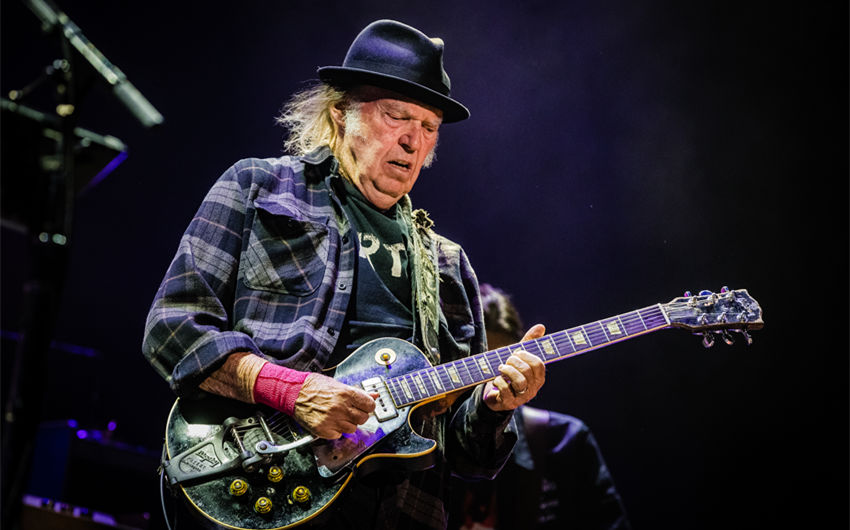
Neil Young is a Canadian-American singer-songwriter, guitarist, and producer whose career spans more than half a century. He’s known for a distinctive voice, emotionally direct writing, and a sound that moves between folk, rock, country, and raw electric guitar work. He’s been associated with legendary acts and eras, from Buffalo Springfield and Crosby, Stills, Nash & Young to his long-running work with Crazy Horse.
What makes Young’s financial story unique is longevity and cultural durability. His music isn’t treated like a short-term trend. It’s part of rock history, which means it continues to be streamed, licensed, reissued, and performed long after its original release cycle. That “evergreen” status is exactly how older artists build and preserve major wealth in the modern era.
Estimated Neil Young Net Worth (2026)
Estimated net worth: around $200 million.
This is the most commonly cited mainstream estimate across major net worth trackers. You may see higher ranges (often $200–$250 million) depending on how the source values his remaining catalog rights, real estate, and private investments. But if you want the most widely repeated midpoint estimate, $200 million is the figure you’ll see most consistently.
Net Worth Breakdown: Where Neil Young’s Money Likely Comes From
1) Music Catalog Royalties (The Never-Ending Engine)
The biggest long-term driver of Young’s wealth is his catalog. Royalties don’t stop when an artist stops being “current.” When songs remain in rotation for decades, they continue to generate money through streaming and other ongoing uses. In the modern era, catalog value has become even more powerful because streaming makes older music instantly accessible worldwide.
For an artist like Young, who has multiple classic albums and songs that remain culturally relevant, catalog royalties are essentially a recurring revenue stream. It’s not about one giant payout every year. It’s about consistent income that continues as long as people keep listening—and Neil Young’s audience keeps listening.
2) The Hipgnosis Catalog Deal (Turning Songs Into a Mega Asset)
One of the most meaningful public financial events tied to Young’s wealth is his catalog rights deal. He sold a 50% stake in his songwriting catalog to Hipgnosis, and the deal was widely reported at around $150 million. Even if you treat that figure as “reported” rather than officially confirmed line-by-line, it still tells you something important: Young’s songwriting was valued like a major investment-grade asset.
This matters because catalog deals don’t just “add cash.” They can also change how people estimate net worth. If someone receives a nine-figure payout from a catalog sale, it becomes a concrete wealth anchor—especially when the person already has decades of assets and royalty income behind them.
It’s also worth noting that selling 50% doesn’t mean he sold everything. He still retains the remaining share, meaning he can continue earning on the portion he kept. That’s why a catalog deal can both create a large one-time liquidity event and preserve ongoing income.
3) Touring and Live Performances (High Revenue, High Costs)
Touring is often where musicians make their most meaningful annual income, and Neil Young has historically been a strong live draw. Even in later career stages, legacy artists with devoted audiences can earn significant money from live shows because fans will pay premium prices for iconic catalogs performed in person.
That said, touring isn’t pure profit. Touring has major expenses: crew, equipment, transportation, insurance, rehearsal time, and venue splits. The reason touring still matters is scale. When you play large venues or do sustained tours, the net earnings can remain substantial even after overhead.
For Young, touring also works as a catalog amplifier. Live shows drive renewed streaming and album sales, which feeds back into royalties. That loop is one of the most reliable ways artists keep income strong over many years.
4) Album Sales, Reissues, and Deluxe Editions (The Collector Economy)
Even in a streaming world, classic artists benefit from reissues and collectible formats. Fans still buy vinyl, deluxe box sets, and anniversary editions—especially for albums considered historically important. Neil Young’s discography fits that category perfectly.
These releases often create spikes in revenue. They may not be as steady as streaming royalties, but they can be lucrative because they target superfans willing to pay for premium packaging and high-quality releases. In financial terms, reissues keep the back catalog monetized in higher-margin ways beyond streaming.
5) Licensing and Sync (When Songs Earn Outside Music Platforms)
Another significant income lane is licensing: when music is used in films, television, documentaries, commercials, and other media. A song placement can generate meaningful fees, and it can also create a streaming boost as new audiences discover older music through a show or a viral scene.
Neil Young’s music has a strong emotional signature, which can make it attractive for storytelling-heavy uses. Even without knowing the details of every licensing deal, it’s a standard contributor to wealth for major legacy artists with recognizable songwriting.
6) Archives, Premium Releases, and Direct-to-Fan Monetization
Young has long leaned into archival releases and curated projects—material that appeals strongly to dedicated fans. This kind of strategy can be financially smart because it monetizes assets that already exist: live recordings, unreleased tracks, alternate versions, and historical sessions.
Archival projects aren’t always “mainstream hits,” but they can be profitable because the audience is highly motivated, and the content builds deeper engagement with the catalog. That deeper engagement often leads to more streaming, more purchases, and stronger long-term brand value.
7) Assets, Real Estate, and Wealth Preservation
At a $200 million estimated net worth level, a meaningful portion of wealth is usually held in assets beyond music income—such as real estate and investment portfolios. Public visibility into those holdings is limited, so it’s not responsible to claim specific properties or exact portfolio figures without verified disclosures. But in general, artists who have earned at Young’s level for decades typically convert income into long-term assets to preserve wealth through market cycles and career slowdowns.
This is also why net worth estimates can differ. One source may assume a conservative asset base; another may assume extensive property holdings or strong investment growth. The most stable conclusion is that his wealth is not “cash sitting around.” It’s an asset-driven portfolio built on music and reinforced by long-term holdings.